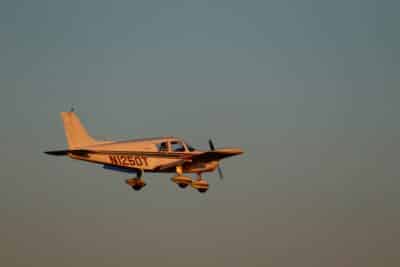
There are multiple steps to becoming a pilot, and emergency preparedness is an essential part of that training. While most pilots wish to avoid airplane emergencies, it is vital to be prepared for any scenario. Join the flying experts from American Winds College of Aeronautics to learn tips for responding to in-flight emergencies.
6 Tips For In-Flight Emergencies
In the event of an in-flight emergency, there are six crucial tips to ensuring the safety of the aircraft and its passengers. Whether it’s a mechanical failure, unfavorable weather or a medical emergency, how you respond can make all the difference. Pilots should familiarize themselves with the following tips so they can navigate in-flight emergencies with confidence and minimize risks.
Prioritize Maintaining Control of the Aircraft
During an in-flight emergency, remain calm and continue safely flying the airplane. No matter the circumstances, maintaining control must be your top priority. Follow the “Aviate, Navigate, Communicate” fundamental principle – keep the aircraft stable, manage speed and avoid distractions that could cause you to lose control.
If you are experiencing engine trouble, immediately establish the best glide speed, identify an appropriate landing area and begin flying toward it. By staying focused on flying first, you increase your chances of handling the emergency effectively and making a safe landing.
Analyze & Diagnose the Emergency
Once you’ve stabilized the aircraft and determined a landing area, it’s time to analyze the problem. When faced with an emergency in an airplane, quickly diagnosing the issue can make all the difference.
If a passenger is ill, assess their condition and decide if immediate medical attention is necessary. If you’re dealing with an electrical problem, use your remaining battery power to troubleshoot and check for malfunctions.
In more urgent emergencies, such as a cabin fire, electrical fire or engine failure, the consequences may be severe, requiring swift action. Understanding the reality of the emergency helps you decide the best course of action while maintaining control of the aircraft.
Follow Your Aircraft Emergency Checklist
After stabilizing the plane and analyzing the problem, it’s time to follow the emergency checklist. In an urgent scenario, complete any memorized emergency procedures immediately and then look at the written checklist to confirm no critical steps are missed. The severity of the emergency will dictate how much time you have. Using this intentional approach ensures you address the emergency efficiently while remaining calm and in control.
Communicate with Air Traffic Control
After working through the emergency checklist, it’s time to communicate with Air Traffic Control (ATC). In airplane emergencies, alerting air traffic control as soon as possible can provide critical assistance. Declare the emergency using the proper terminology, “Mayday, Mayday, Mayday” for life-threatening situations or “Pan-Pan, Pan-Pan, Pan-Pan” for non-life-threatening emergencies. Remember to share your aircraft’s call sign, the nature of the emergency, plane position, altitude and intentions. ATC can offer recommendations, clear the way, and coordinate emergency services on the ground if needed.
If you cannot reach ATC, are in uncontrolled airspace or do not know the correct local frequency, communicate with the aviation emergency frequency, also known as the International Air Distress frequency (121.5 MHz). This is a dedicated emergency frequency monitored by ATC, military and other aircraft worldwide. Always start with ATC, and then move to the emergency line if needed.
Plan a Safe Descent
During an in-flight emergency, planning a safe descent is essential to ensure a controlled approach to landing. Once you’ve identified a landing site, determine the best way to descend while maintaining control of the aircraft. Follow best glide speed if experiencing engine failure, or adjust your descent rate based on the type of emergency. Consider terrain, obstacles and wind direction to set up for the safest possible landing.
Document the Aircraft Emergency
After handling an in-flight emergency and getting passengers safely off board, take the time to write down what you learned. Documenting the event while it’s fresh in your mind helps you analyze your reactions, decisions and areas for improvement. Reflect on what went well and what you wish you had done differently. This practice not only strengthens your own skills but also provides valuable insights for future training.
Common Aircraft Emergencies and How to Minimize Risks
Although air travel has become safer than ever in the 21st century, pilots must still be prepared for a few common in-flight emergencies. Even with extensive training and risk mitigation, situations like fire, inclement weather or electrical malfunction can arise. By familiarizing yourself with these potential scenarios, you can be better equipped to respond effectively.
Fire
A fire emergency in the air is extremely dangerous, requiring immediate action to prevent loss of control. At the first sign of smoke, fumes or flames, treat it as an immediate threat – use oxygen masks and goggles, locate the source of the fire, and use onboard extinguishers.
Simultaneously, declare an emergency with ATC and prepare for an emergency landing as quickly as possible, following all the steps above. Time is critical, so quick action and proper training are key to minimizing risk and ensuring a safe outcome for all.
Inclement Weather
One common type of airplane emergency occurs when a pilot enters inclement weather. In such cases, the pilot should immediately rely on instrumentation rather than visuals to maintain control. Using the aircraft’s instruments ensures accurate altitude control. Next, the pilot should plot a course to safely steer the aircraft away from the bad weather, ideally getting back to clear skies. Finally, the pilot should notify ATC of the situation for guidance and assistance moving forward.
Electrical Malfunction
An in-flight emergency due to an electrical malfunction, such as a failed alternator or electrical fire, requires immediate action to save backup power. The pilot should limit aircraft systems, operating only one radio, using the transponder sparingly, and minimizing voice transmissions to preserve battery life. The goal is to safely land as soon as possible while avoiding other aircraft and keeping control of the situation. This quick decision-making can help manage the situation until a safe landing can be made.
Become a Pilot With American Winds
Are you ready to step into the captain’s seat and become a pilot with American Winds? Get answers to all your frequently asked questions about our Ohio flight school, then enroll today to take the first step toward your aviation career!